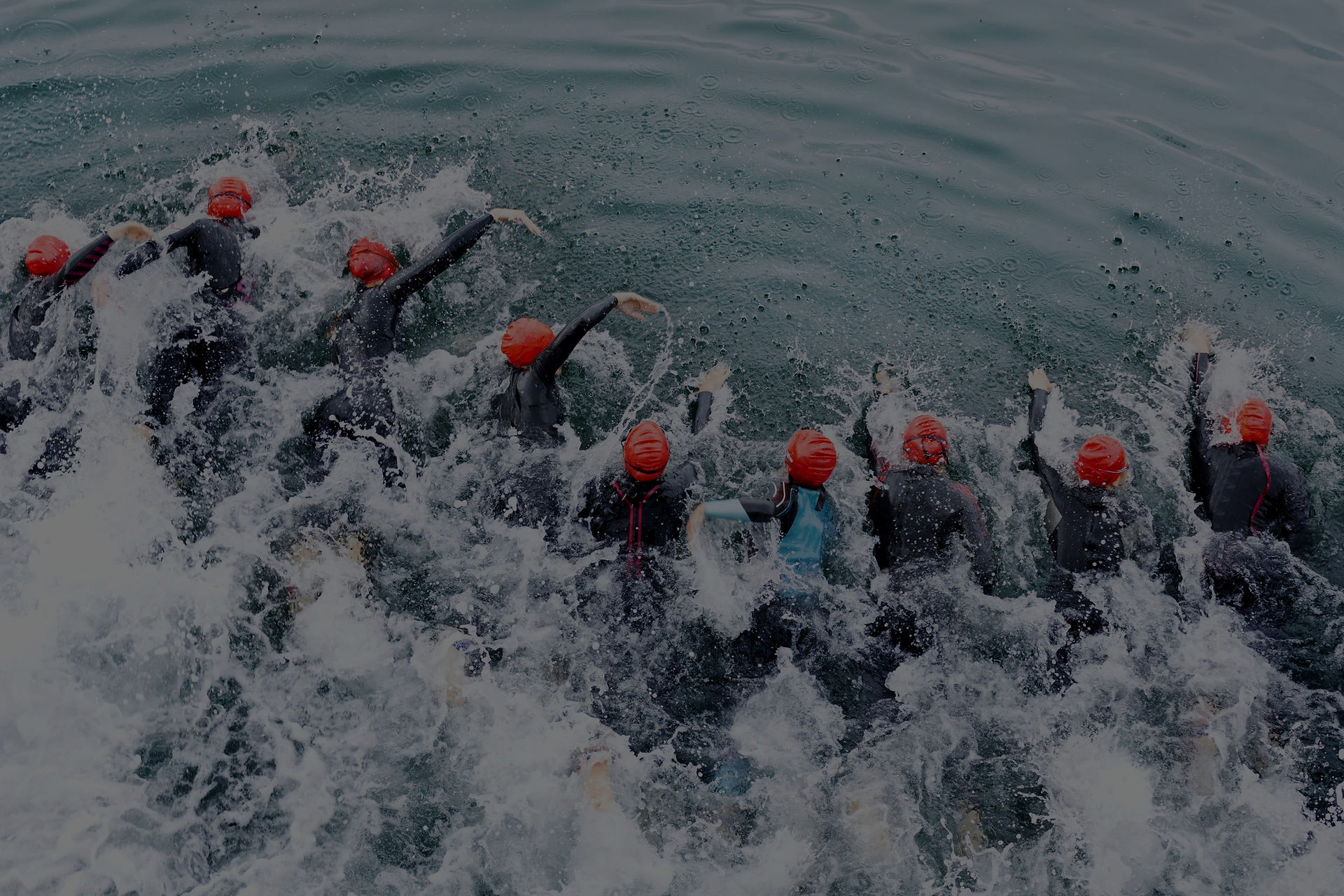

Fueling for Long-Course Triathlon
Long-course triathlon is not only a test of fitness. It is also a test of how well you can fuel, hydrate and make sensible decisions over many hours. A strong nutrition plan will not rescue inadequate training, but poor fueling can quickly undo months of good preparation.
Start early
Do not wait until you feel hungry or low on energy. Begin fueling early on the bike and continue at regular intervals. Small, consistent amounts are usually easier to tolerate than trying to catch up later in the race.
Practise your plan in training
Your long rides, race-specific brick sessions and selected long runs are rehearsals. Use the same products, flavours, bottles and timing you intend to use on race day. The gut can be trained, but it needs repeated practice. Record what you take, how you feel and how your performance changes.
Make the bike count
The bike offers the best opportunity to consume most of your race nutrition. It is generally easier to eat and drink while cycling than while running. Arriving at T2 under-fuelled creates a problem that is very difficult to correct on the run.
Individualise carbohydrates, fluid and sodium
There is no single intake that suits every athlete. Body size, race duration, intensity, temperature, sweat rate and gut tolerance all matter. Current sports-nutrition guidance can provide useful starting ranges, but the right target is the highest practical intake you can absorb comfortably and consistently in training. Fluid and sodium should also reflect your own sweat losses and the expected race conditions.
Keep it simple
Build a plan that is easy to follow when you are tired. Mark bottles, set watch reminders if helpful and know what will be available at aid stations. Have a backup option in case you drop a bottle or a product becomes unappealing. Avoid introducing unfamiliar foods, supplements or extreme loading strategies during race week.
Fuel the work after training
Recovery nutrition supports the next session. After demanding workouts, include carbohydrate, a useful serving of protein and enough fluid to replace losses. The best plan is not the most complicated one. It is the plan you have practised, can tolerate and can execute under pressure.


Comments